
Gulong.ph Team Member
How to Read Tire Size | Gulong.ph
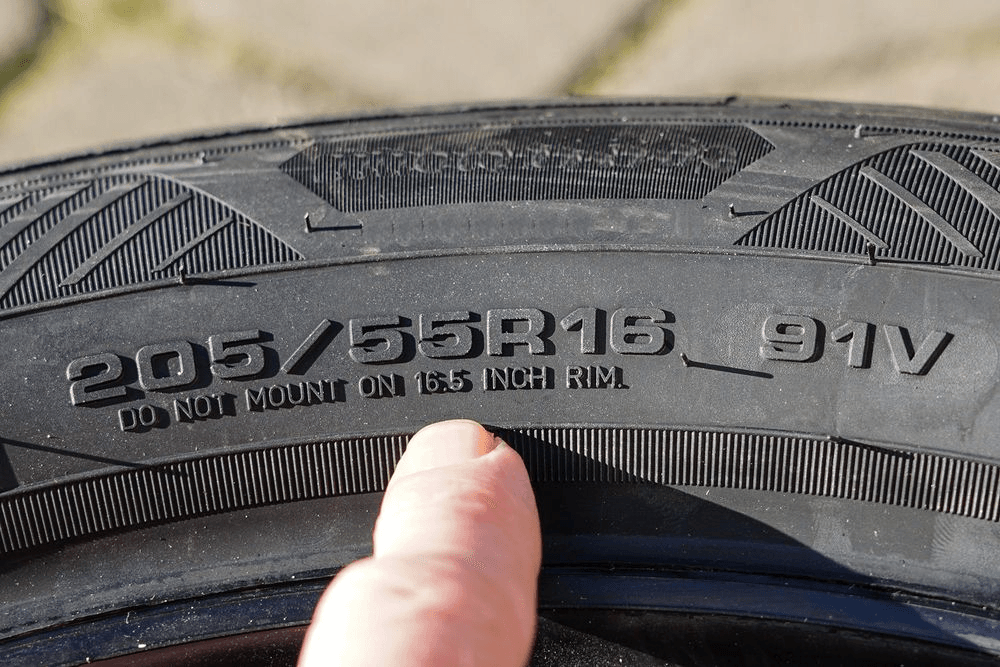
Reading your tire size is one of the easiest ways to make sure you buy the right replacement tires for your vehicle. The numbers and letters on your tire sidewall tell you the tire width, sidewall height, construction type, rim size, load capacity, and speed rating.
At first, a code like 205/55R16 91V can look confusing. But once you understand what each part means, choosing the right tire becomes much easier. This guide will help you read your tire size, avoid fitting problems, and shop for tires with more confidence.
Where to Find Your Tire Size
You can usually find your tire size in three places:
- On the sidewall of your current tire
- On the driver-side door sticker or tire placard
- In your vehicle owner’s manual
The easiest way is to check the sidewall of your tire. Look for a code that looks like this:
205/55R16 91V
Each part of this code has a specific meaning. Let’s break it down.
Tire Size Example: What Does 205/55R16 Mean?
Using 205/55R16 as an example:
- 205 = tire width in millimeters
- 55 = aspect ratio or sidewall height
- R = radial construction
- 16 = rim diameter in inches
Some tires may also include extra numbers and letters after the size, such as 91V. These refer to the load index and speed rating.
Breaking Down the Tire Size Code
Tire Width
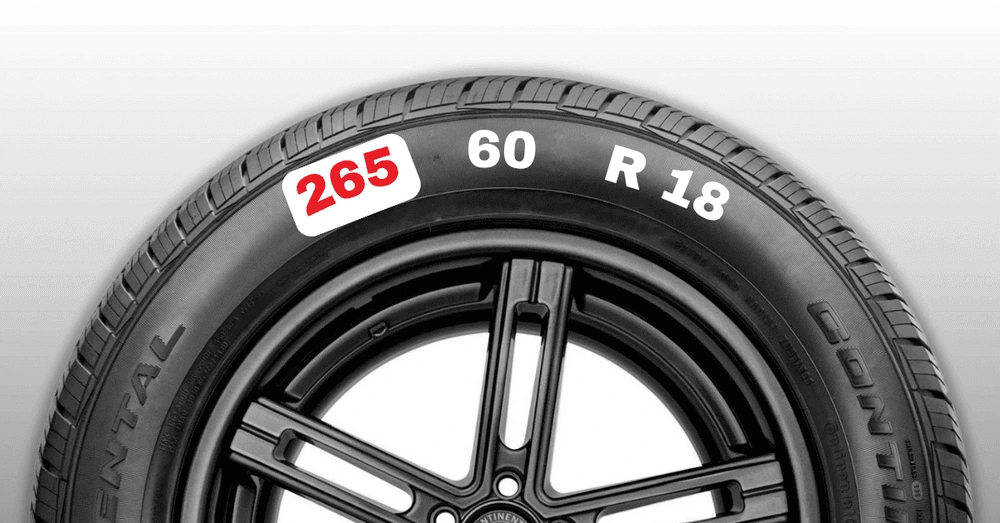
The first three digits show the tire width in millimeters. In 205/55R16, the tire width is 205 mm from sidewall to sidewall.
A wider tire can provide more road contact, which may improve grip and handling. This is common for SUVs, performance cars, and vehicles that need more stability.
A narrower tire may help with fuel efficiency and is often found on smaller city cars.
Aspect Ratio
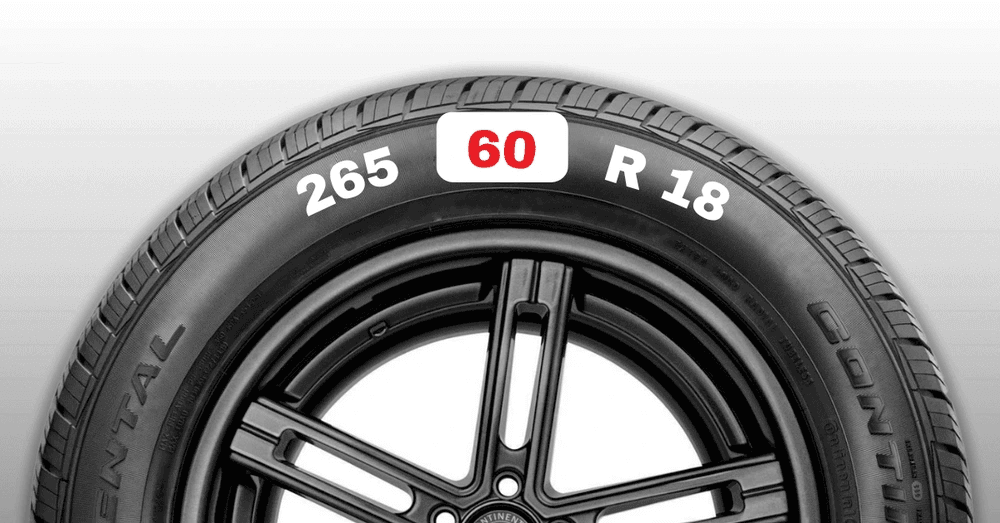
The number after the slash is the aspect ratio. It tells you the sidewall height as a percentage of the tire width.
For example, in 205/55R16, the aspect ratio is 55. This means the sidewall height is 55% of the tire width.
A higher aspect ratio usually gives more cushioning, which can feel more comfortable on rough or uneven roads. A lower aspect ratio often gives a sportier feel and better handling, but it may feel firmer on bumpy roads.
Radial Construction
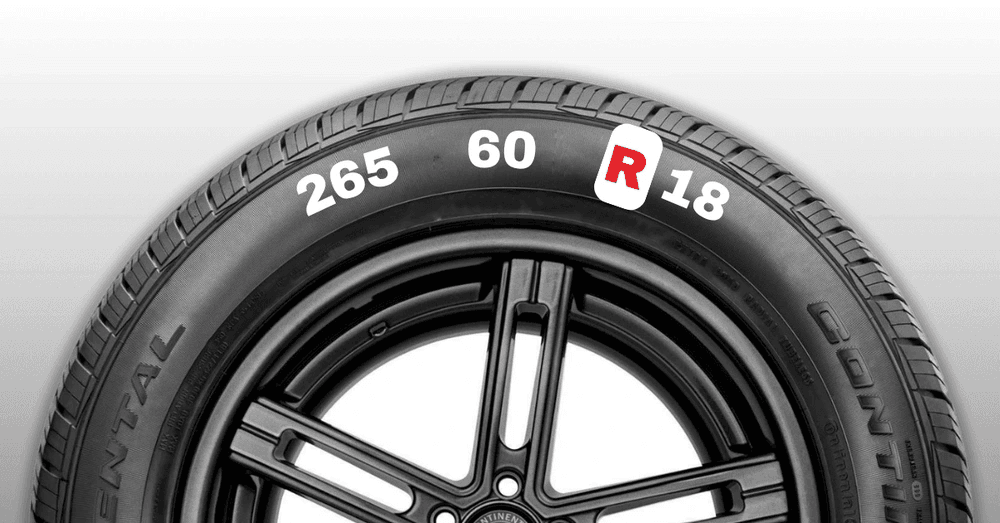
The letter R means the tire has radial construction. Most modern passenger cars, SUVs, and light trucks use radial tires.
Radial tires are designed for good ride comfort, durability, and fuel efficiency. If your current tire uses R, your replacement tire should also match the same construction type unless your vehicle manufacturer recommends otherwise.
Rim Diameter
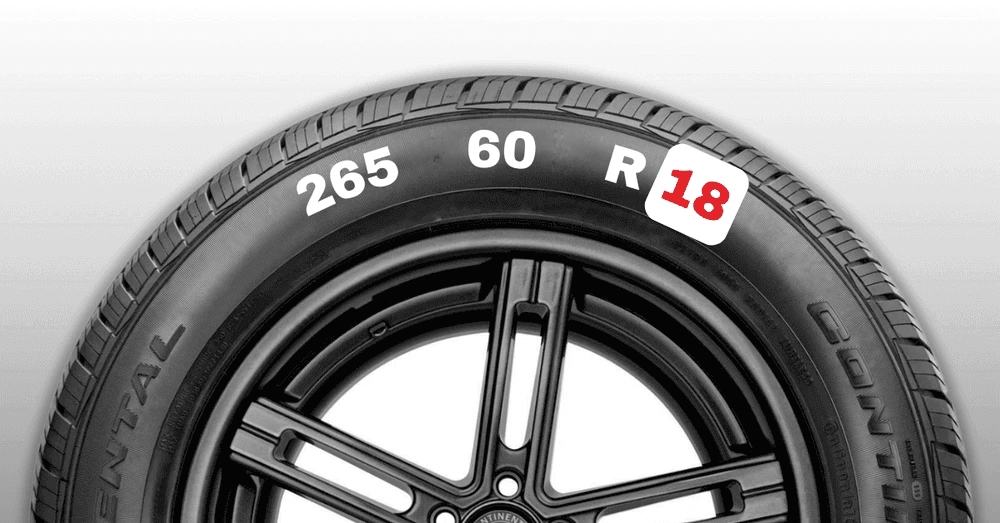
The number after R shows the rim diameter in inches.
In 205/55R16, the tire is made for a 16-inch wheel.
This number must match your actual wheel size. For example, you cannot install an R17 tire on a 16-inch rim, even if the width and aspect ratio look similar.
What Do Load Index and Speed Rating Mean?
Some tire sizes include extra markings after the rim size, such as:
205/55R16 91V
In this example:
- 91 = load index
- V = speed rating
Load Index
The load index tells you how much weight each tire can safely carry when properly inflated. The number itself is not the weight. It corresponds to a load capacity chart.
When replacing tires, choose a tire with the same or higher load index recommended for your vehicle. Do not choose a lower load index because it may affect safety and performance.
Speed Rating
The speed rating is the letter after the load index. It shows the maximum speed capability of the tire under proper conditions.
For normal daily driving, you should still follow local speed limits. The speed rating is mainly used to make sure the tire matches your vehicle’s performance requirements.
If you are unsure, check your owner’s manual or ask a trusted tire shop before buying.
Other Tire Markings You Might See
Aside from the main tire size code, you may also see other markings on the sidewall.
RF or Run Flat
RF usually means run-flat. Run-flat tires are designed to keep working for a limited distance after losing air pressure. These are usually used on vehicles built for run-flat tire systems.
XL or Extra Load
XL means extra load. These tires can carry more weight than standard load tires when used at the correct pressure.
ZR
ZR is commonly seen on performance tires. It usually means the tire is designed for higher speed capability.
DOT Code
The DOT code includes manufacturing information. The last four digits usually show the production week and year. For example, 2424 means the tire was made in the 24th week of 2024.
Why Reading Tire Size Matters
Knowing how to read your tire size helps you avoid common problems when buying new tires.
The wrong tire size can cause:
- Poor handling
- Incorrect speedometer reading
- Reduced ride comfort
- Tire rubbing against the fender or suspension
- Safety issues during braking or cornering
- Problems with fuel efficiency
Your replacement tires should match your vehicle’s recommended specifications. If you plan to change tire size, it is best to consult a tire expert first.
How to Choose the Right Tire Size
Before buying new tires, follow these simple steps:
1. Check Your Current Tire Size
Start by reading the tire size printed on your current tire sidewall. Write down the full code, including the load index and speed rating if available.
Example:
205/55R16 91V
2. Confirm With Your Vehicle Manual
Your current tires may not always be the original recommended size. To be safe, compare the sidewall code with your vehicle manual or door placard.
3. Match the Rim Size
Always make sure the rim diameter matches your wheel. If your wheel is 16 inches, choose a tire marked R16.
4. Check Load Index and Speed Rating
Do not ignore the numbers and letters after the tire size. They help confirm whether the tire can handle your vehicle’s weight and performance needs.
5. Choose the Right Tire Type for Your Driving Needs
Your tire size is only one part of the decision. You should also consider where and how you drive.
For city driving, comfort and fuel efficiency may be more important. For SUVs and long drives, durability and wet grip may matter more. If you often drive through rough roads, you may need a tire with stronger construction.
Trusted brands like Michelin and BFGoodrich offer different tire options depending on vehicle type, driving style, and road conditions.
Common Tire Size Mistakes to Avoid
Buying Based on Price Only
A cheaper tire is not always the best choice if it does not match your vehicle’s required size, load index, or driving needs.
Ignoring the Rim Diameter
The rim size must match exactly. An R17 tire will not fit an R16 wheel.
Choosing a Lower Load Index
A lower load index may not safely support your vehicle’s weight. Always match or exceed the recommended load rating.
Mixing Different Tire Sizes
Avoid mixing different tire sizes unless your vehicle manufacturer specifically recommends it. Using mismatched sizes can affect handling and stability.
Forgetting to Check Tire Age
Even if the tire looks new, check the manufacturing date. Rubber naturally ages over time, so tire freshness matters.
Quick Tire Size Checklist Before Buying
Before you order new tires, check the following:
- Tire width
- Aspect ratio
- Radial construction
- Rim diameter
- Load index
- Speed rating
- Tire age
- Vehicle manual recommendation
- Driving needs
- Warranty and installation options
This simple checklist can help you avoid mistakes and choose a tire that fits properly.
Need Help Finding the Right Tire Size?
Reading tire size is simple once you know what each number and letter means. But if you are still unsure, you do not have to figure it out alone.
At Gulong.ph, you can search for tires by size or vehicle model, compare options from trusted tire brands, and get help choosing the right tires for your car. Whether you are looking for daily driving tires, SUV tires, Michelin tires, BFGoodrich tires, or budget-friendly options, Gulong.ph makes tire shopping easier and more convenient.
Find the right tires for your vehicle today and enjoy a safer, smoother drive.
Frequently Asked Questions About Tire Size
What does tire size mean?
Tire size refers to the numbers and letters printed on your tire sidewall. It shows the tire width, sidewall height, construction type, rim diameter, load index, and speed rating.
Where can I find my tire size?
You can find your tire size on the sidewall of your current tire, on the driver-side door placard, or in your vehicle owner’s manual.
Can I use a different tire size?
You should use the tire size recommended by your vehicle manufacturer. If you want to change sizes, consult a tire expert first to avoid fitment and safety issues.
What happens if I choose the wrong tire size?
The wrong tire size may affect handling, braking, comfort, fuel efficiency, and safety. It may also cause rubbing or incorrect speedometer readings.
Do all tires with the same size fit my car?
Not always. You should also check the load index, speed rating, tire type, and vehicle recommendation before buying.