
Gulong.ph Team Member
Hydroplaning: How to Stay Safe on Wet Roads | Gulong.ph
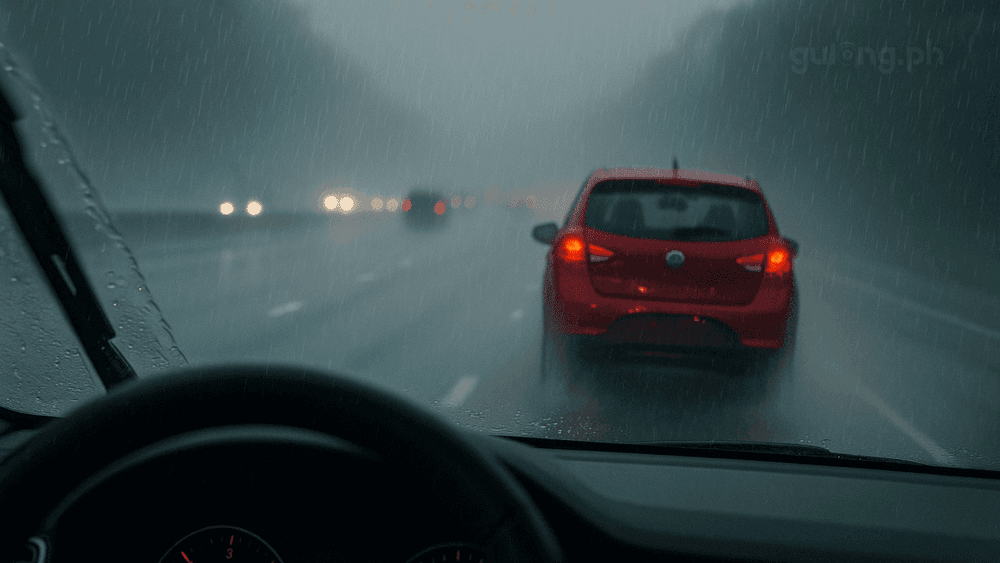
Driving during the rainy season can be challenging, especially kapag basa, madulas, or may puddles sa daan. One of the most dangerous things that can happen while driving on wet roads is hydroplaning.
Hydroplaning happens when your tires lose direct contact with the road because a layer of water gets between the tire and the road surface. Kapag nangyari ito, your car may feel like it is sliding or floating, and you may lose control of steering, braking, or acceleration.
The good news? Hydroplaning can be prevented with safer driving habits and proper tire care. Here’s what every Filipino driver should know.
What Is Hydroplaning?
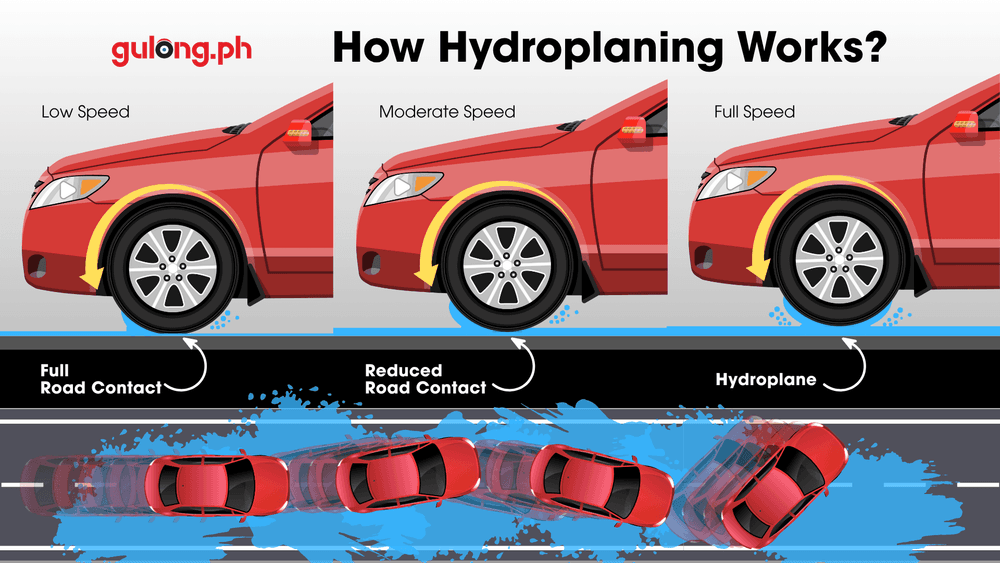
Hydroplaning happens when your tires ride on top of water instead of gripping the road. Kapag hindi na nakakapit ang tires sa road surface, your vehicle can slide even if you are trying to steer or brake.
This usually happens during heavy rain, on flooded roads, or when driving through puddles at speed.
Why Hydroplaning Is Dangerous
Hydroplaning is dangerous because it reduces your control over the vehicle. Your steering may feel light, your brakes may not respond normally, and your car may move in a direction you did not intend.
Even a short moment of lost traction can be risky, especially on highways, curves, or roads with other vehicles nearby.
Hydroplaning vs. Normal Skidding
Normal skidding can happen because of sudden braking, sharp turning, or slippery road surfaces. Hydroplaning is different because the main issue is water. Your tires are not fully touching the road because water is separating them from the surface.
That is why tire tread, tire pressure, and driving speed matter so much during rainy drives.
What Causes Hydroplaning?
Hydroplaning usually happens when there is too much water on the road and your tires cannot push the water away fast enough.
Here are the common causes:
Worn-Out or Bald Tires
Tire tread helps channel water away from the tire. Kapag manipis na ang tread, mas mahina ang kapit ng gulong sa wet roads.
Worn-out or bald tires increase the risk of hydroplaning because they cannot properly move water away from the contact area.
Driving Too Fast on Wet Roads
The faster you drive, the less time your tires have to push water away. Kapag mabilis ang takbo sa basang kalsada, mas mataas ang chance na umangat ang tires sa ibabaw ng tubig.
During heavy rain, it is safer to slow down and give yourself more time to react.
Incorrect Tire Pressure
Tire pressure affects how your tires touch the road. Kapag underinflated or overinflated ang tires, pwedeng maapektuhan ang grip, handling, and braking performance.
Always follow your vehicle’s recommended PSI, usually found on the driver-side door jamb or owner’s manual.
Puddles, Oil, and Slippery Road Surfaces
Water mixed with oil, mud, or road dirt can make roads even more slippery. Be extra careful as areas na may stand water, baha, or shiny-looking road surface after rain.
How Do You Know You’re Hydroplaning?
Hydroplaning can happen suddenly. Knowing the warning signs can help you react properly and avoid panic.
Steering Feels Light or Loose
One common sign is when the steering wheel suddenly feels too light or easy to turn. Parang nawawala ang connection ng gulong sa road.
Your Brakes Do Not Respond Normally
If your brakes feel weak or your vehicle does not slow down as expected, your tires may not have enough traction.
Your Car Starts Sliding or Swaying
You may feel your car drift, slide, or sway even if you are not turning sharply. This is a strong sign that your tires are losing grip.
You Hear Water Splashing Under the Vehicle
Strong water splashing sounds can mean your tires are passing through a lot of standing water. Slow down and stay alert.
What Should You Do With Your Car Hydroplanes?
If your car starts hydroplaning, the most important thing is to stay calm. Avoid sudden movements because panic braking or sharp steering can make the situation worse.
Ease Off the Gas Slowly
Remove your foot from the accelerator gently. Do not suddenly step harder on the gas.
Let the vehicle slow down naturally until the tires regain contact with the road.
Avoid Sudden Braking
Do not slam the brakes. Hard braking can cause your vehicle to skid more, especially when the tires have limited grip.
If you need to brake, do it gently and gradually once you feel the tires starting to regain traction.
Keep the Steering Wheel Steady
Hold the steering wheel firmly and keep it pointed in the direction you want to go. Avoid sudden turns.
Sharp steering can make the car harder to control while the tires are still sliding.
Wait Until Your Tires Regain Grip
Once the vehicle slows down and the tires reconnect with the road, you should feel the steering and control return. After that, continue driving more slowly and carefully.
How to Prevent Hydroplaning
Prevention is always better than reacting during an emergency. Here are simple ways to reduce the risk of hydroplaning.
Check Your Tire Tread Regularly
Your tire tread is important for wet road grip. Kapag manipis na ang tread, mas mahirap i-channel ang water away from the tire.
Check your tread regularly, especially before long drives or during the rainy season.
Maintain the Right Tire Pressure
Proper tire pressure helps your tires maintain better contact with the road. Check your tire pressure at least once a month and before long trips.
Make sure to check tire pressure when the tires are cold for a more accurate reading.
Slow Down During Heavy Rain
Speed is one of the biggest factors in hydroplaning. Kapag malakas ang ulan, slow down and increase your following distance.
This gives you more time to react if the road becomes slippery or if the vehicle in front suddenly brakes.
Avoid Standing Water and Deep Puddles
As much as possible, avoid driving through puddles or flooded areas. Hindi mo rin alam kung gaano kalalim ang tubig or kung may lubak underneath.
If you cannot avoid it, slow down carefully and keep steady control of the vehicle.
Choose Quality Tires for Wet Road Grip
Quality tires with good tread design can help improve water evacuation and wet road traction. This does not mean you can drive fast in the rain, but it can help support safer handling on wet roads.
If your tires are already worn out, replacing them before the rainy season is a smart safety move.
When Should You Replace Tires for Wet Road Safety?
Your tires may need replacement if they no longer provide enough grip, especially during rain.
Signs Your Tires Are No Longer Safe for Rainy Drives
Watch out for these signs:
- Low or worn-out tread
- Smooth or bald tire surface
- Cracks on the sidewall
- Bulges or bubbles
- Frequent tire pressure loss
- Longer braking distance
- Poor grip on wet roads
- Sliding or swaying during rainy drives
If you notice these signs, have your tires inspected as soon as possible.
Why Tire Tread Matters During Rainy Season
Tread depth helps your tires push water away from the contact patch. The deeper and healthier the tread, the better your tires can maintain contact with the road.
Kapag manipis na ang tread, mas madaling ma-trap ang water under the tire, increasing the risk of hydroplaning.
Final Safety Reminder from Gulong.ph
Rainy drives are safer when your tires are properly maintained. Before driving on wet roads, check your tire pressure, inspect your tread, slow down, and avoid puddles when possible.
Hydroplaning can happen quickly, but with proper tire care and safer driving habits, you can reduce the risk.
Need safer tires for rainy season driving? Shop your tires online at Gulong.ph and explore trusted options like Michelin and BFGoodrich for better grip, comfort, and everyday road safety.
FAQs (Frequently Asked Questions)
1. What is hydroplaning?
Hydroplaning happens when your tires lose direct contact with the road and slide on top of a layer of water. Kapag nangyari ito, your car may lose steering, braking, and acceleration control.
2. What causes hydroplaning?
Common causes include worn-out tires, low tire tread, driving too fast on wet roads, incorrect tire pressure, puddles, and slippery road surfaces.
3. How do I know if my car is hydroplaning?
You may be hydroplaning if your steering suddenly feels light, your brakes do not respond normally, your car slides or sways, or you hear strong water splashing underneath the vehicle.
4. What should I do if my car starts hydroplaning?
Stay calm, ease off the gas, avoid hard braking, keep the steering wheel steady, and wait for the tires to regain grip before making any sudden movement.
5. Can worn tires increase the risk of hydroplaning?
Yes. Worn-out or bald tires have less tread to push water away from the road surface, which increases the chance of losing grip on wet roads.